
Notifications
Clear all

Experiential Marketing By Shaz
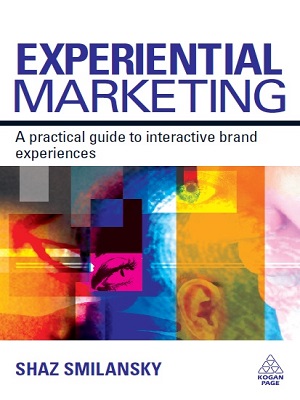
Experiential Marketing by Shaz explores a modern approach to marketing that focuses on creating memorable experiences for customers. Rather than relying only on traditional advertisements, experiential marketing connects brands with consumers through meaningful interactions, events, activities, and engaging experiences. Therefore, this subject helps readers understand how businesses can build stronger relationships with their audiences.
Understanding Experiential Marketing
First, experiential marketing places the customer at the center of the marketing process. Furthermore, it encourages brands to create experiences that attract attention and generate emotional connections. In addition, these experiences can help customers interact directly with products, services, and brand messages. Consequently, businesses can create stronger awareness and improve customer engagement.
Creating Meaningful Brand Experiences
The book introduces the importance of designing experiences that customers can remember. Moreover, marketers need to understand their target audiences before developing campaigns. Similarly, they must consider customer expectations, interests, emotions, and behavior. As a result, carefully planned experiences can make a brand more recognizable and relevant.
Connecting Brands with Customers
Experiential marketing also focuses on direct interaction. Meanwhile, events, demonstrations, promotional activities, exhibitions, and interactive campaigns can encourage customers to participate rather than simply observe. Thus, brands can create two-way communication with their audiences. Moreover, active participation can help customers develop a deeper connection with a brand.
Practical Marketing Applications
Importantly, experiential marketing can support many business objectives. For example, companies can use experiences to introduce new products, strengthen brand awareness, attract new customers, and maintain relationships with existing customers. Additionally, marketers can combine experiential activities with digital media and social platforms. Therefore, a successful campaign can continue beyond the original physical experience.
Planning Effective Campaigns
Successful experiential marketing requires careful planning. First, marketers should establish clear objectives and identify the appropriate audience. Next, they can select suitable activities, locations, communication channels, and promotional methods. Furthermore, they should measure customer responses and campaign results. Consequently, businesses can learn from each campaign and improve future marketing activities.
Important Features
-
Introduction to experiential marketing concepts
-
Focus on customer engagement and interaction
-
Emphasis on memorable brand experiences
-
Discussion of consumer behavior and expectations
-
Guidance on planning marketing experiences
-
Practical applications for modern businesses
-
Focus on direct brand-to-customer communication
-
Integration of traditional and digital marketing
-
Useful ideas for promotional campaigns
-
Support for brand awareness and customer relationships
Who Can Benefit from This Book?
Finally, Experiential Marketing can benefit marketing students, business students, entrepreneurs, advertising professionals, and brand managers. Likewise, marketers can use its concepts when developing interactive campaigns and customer-focused strategies. Overall, the subject demonstrates how meaningful experiences can complement traditional marketing. Thus, readers can develop a broader understanding of customer engagement while learning how brands can create memorable connections in competitive markets.
Topic starter
Posted : September 19, 2026 8:26 am