
Notifications
Clear all

Mediaeval India Under Mohammedan Rule (A.D. 712-1764) By Stanley Lane-Poole
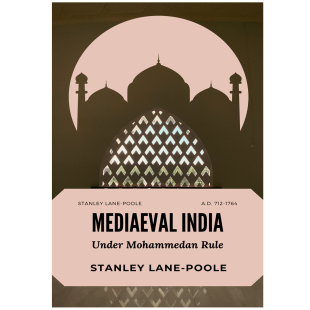
Overview of the Book
Mediaeval India Under Mohammedan Rule (A.D. 712–1764) by Stanley Lane-Poole presents a historical account of Muslim rule in the Indian subcontinent. The book traces major political developments from the arrival of Muhammad bin Qasim in Sindh to the decline of Mughal authority in the eighteenth century. Lane-Poole discusses the rulers, dynasties, battles, administrative changes, and political struggles that shaped medieval India.
The book provides useful background for students who want to understand the evolution of Muslim political power in India. It covers important dynasties and highlights the changing relationship between rulers, nobles, regional powers, and local communities.
Major Historical Developments
Early Muslim Rule in India
The narrative begins with the Arab conquest of Sindh in 712 and examines the gradual expansion of Muslim political influence. It then moves through the Ghaznavid and Ghurid periods and explains the foundations of the Delhi Sultanate.
Delhi Sultanate
Lane-Poole explores the major dynasties of the Delhi Sultanate, including the Slave, Khalji, Tughlaq, Sayyid, and Lodi dynasties. He discusses prominent rulers, military campaigns, succession struggles, and administrative developments. These chapters help readers understand how the Delhi Sultanate developed into a major political power.
Mughal Empire
The book also covers the establishment and expansion of Mughal authority. It discusses Babur, Humayun, Akbar, Jahangir, Shah Jahan, and Aurangzeb, along with important political and military developments during their reigns. The later chapters examine the weakening of Mughal power and the rise of competing regional forces.
Important Features of the Book
-
Covers Indian history from 712 to 1764.
-
Discusses major Muslim dynasties and rulers.
-
Explains the development of the Delhi Sultanate.
-
Provides an overview of Mughal political history.
-
Highlights important battles and political conflicts.
-
Examines succession struggles and dynastic changes.
-
Provides useful historical context for South Asian studies.
-
Supports preparation for history and competitive examinations.
-
Presents a chronological approach to medieval Indian history.
Academic Value
This book can help students build a clear understanding of medieval Indian political history. Its coverage of dynasties, rulers, wars, and changing political structures makes it useful for students of history, political science, and South Asian studies. CSS and other competitive-exam candidates can also use it as a supplementary source when studying the historical development of Muslim rule in the subcontinent.
Topic starter
Posted : September 21, 2026 8:24 am