
Notifications
Clear all

Post-9/11 Foreign Policy of Pakistan by Shamshad Ahmed
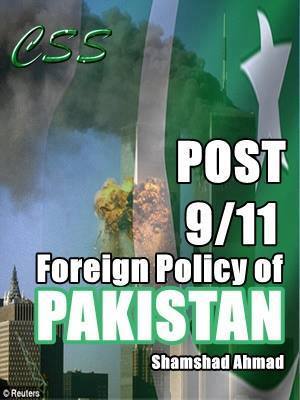
Post-9/11 Foreign Policy of Pakistan by Shamshad Ahmed examines the major changes in Pakistan’s foreign policy after the September 11, 2001 attacks. The book explores Pakistan’s changing relations with major global powers and neighboring countries during a period of significant international transformation. Moreover, it provides readers with a useful perspective on the diplomatic, strategic, and security challenges Pakistan faced in the post-9/11 era.
Pakistan’s Foreign Policy After 9/11
The events of 9/11 dramatically changed the international security environment. Consequently, Pakistan found itself at the center of global strategic developments because of its geographical position and regional importance. The country had to manage relations with the United States while also addressing its interests in Afghanistan and the wider region.
Furthermore, Pakistan’s foreign policy involved balancing national security, economic interests, regional stability, and diplomatic priorities. Therefore, understanding this period requires attention to both domestic considerations and international pressures.
Relations with Major Powers
The post-9/11 period brought important developments in Pakistan-US relations. In addition, Pakistan strengthened diplomatic engagement with China while managing complex relations with India and Afghanistan. Meanwhile, developments in the Middle East and the broader Muslim world also influenced Pakistan’s foreign-policy calculations.
The book helps readers examine these relationships within their wider strategic context. Similarly, it encourages a deeper understanding of Pakistan’s diplomatic choices and the challenges that shaped them.
Important Features
-
Focuses on Pakistan’s foreign policy after 9/11
-
Examines Pakistan-US relations
-
Discusses Pakistan’s strategic position in South Asia
-
Explores relations with Afghanistan and India
-
Highlights Pakistan-China relations
-
Covers major post-9/11 geopolitical developments
-
Examines security and diplomatic challenges
-
Discusses regional and international pressures
-
Provides useful foreign-policy analysis
-
Suitable for CSS, PMS, and competitive examinations
Why Choose This Book?
This book can help students understand Pakistan’s diplomatic challenges through a historical and strategic perspective. Moreover, its focus on post-9/11 developments makes it useful for studying contemporary international relations. In addition, readers can connect Pakistan’s foreign-policy decisions with regional security, terrorism, strategic partnerships, and global politics.
For CSS and PMS aspirants, the book offers valuable material for Pakistan Affairs, Current Affairs, International Relations, and essay preparation. Likewise, researchers and students of political science can use its themes to develop a broader understanding of Pakistan’s role in regional and international affairs.
A Valuable Foreign Policy Resource
Overall, Post-9/11 Foreign Policy of Pakistan by Shamshad Ahmed provides a useful perspective on one of the most important periods in Pakistan’s diplomatic history. Furthermore, it highlights the pressures, opportunities, and strategic choices that shaped Pakistan’s foreign relations. Ultimately, the book helps readers understand how global events can influence national foreign-policy priorities.
Topic starter
Posted : September 12, 2026 10:16 am