
Notifications
Clear all

China-US Security Dialogue: From Crisis Management to Strategic Stability
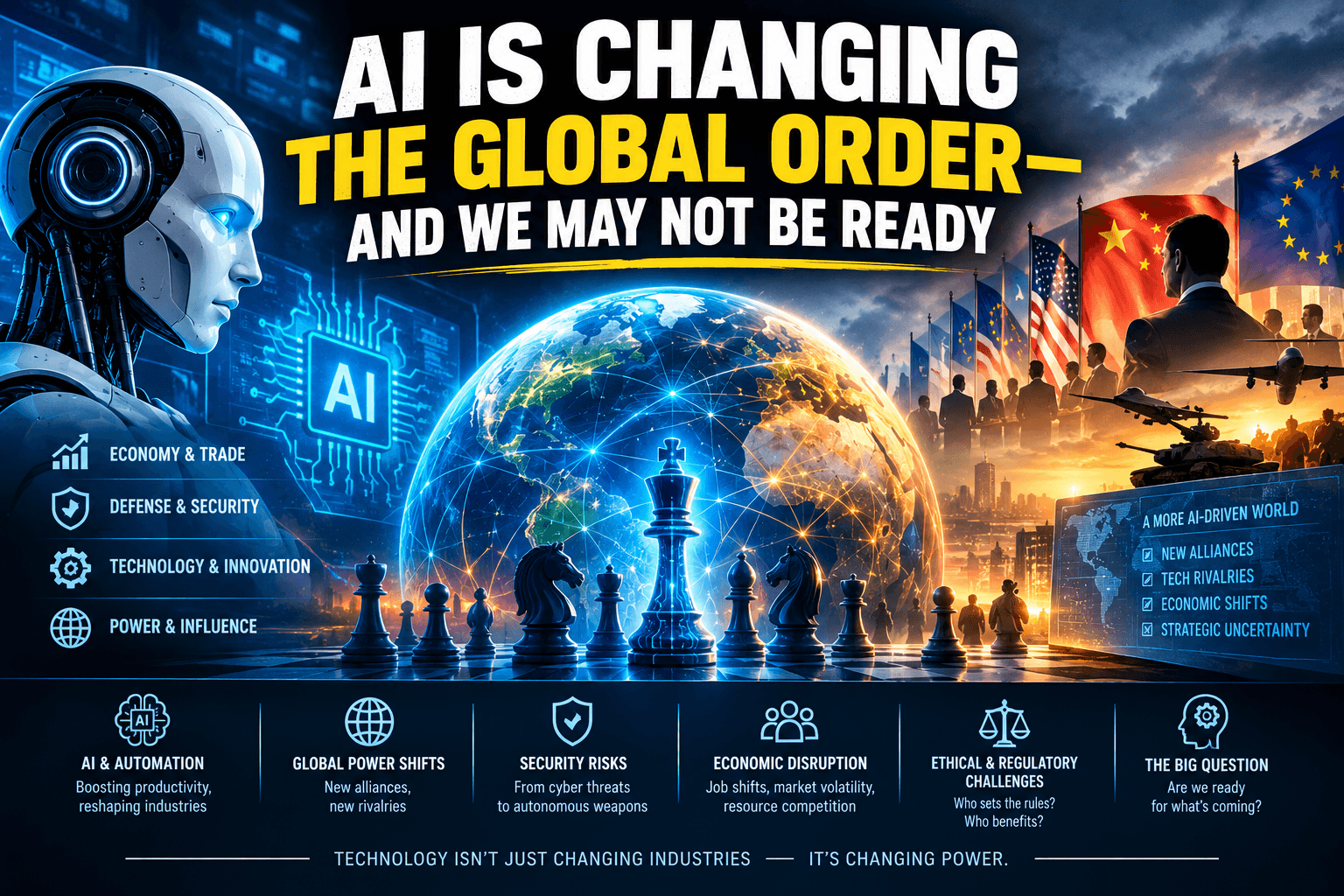
China-US Security Dialogue: From Crisis Management to Strategic Stability
China-US Security Dialogue: From Crisis Management T he 13th Beijing Xiangshan Forum (BXF), taking place amidst the challenges to the rules-based international order grounded in UN Charter and the changes of the security architecture from a dominant single-power system to a multi-facet and more plural one.
With the Forum’s central theme, "Build Consensus on Stability, Advance Security Governance Together”, it is clear that the idea of the Forum itself is a transition one that is also an opportunity for BXF to be a significant medium for global security coordination as opposed to just being an ordinary diplomatic event by focusing on the provision of viable solutions and policy corrections.
Under the circumstance of a deeply divided multilateral world, China’s deployment of troops and police to missions has not only helped the UN and its agencies implement their mandates but also served as a stabilizing element to partly take advantage of the decreasing influence of traditional global powers in international order upkeep. This was especially highlighted at the 13th BXF when the participants showed appreciation of China as a potential security entrepreneur that can bring together the interests of the Global North and the Global South. This has been one among the other things that have enabled inclusive security governance to find its place through the 13th BXF by granting more space to Global South state actors which traditionally had limited influence within global security institutions. Its four plenary, eight parallel, and nine closed-door academic seminar sessions are examples of a governance model that is operational at different levels. China-US Security Dialogue: From Crisis Management
Yin Zhongliang, Senior Adviser of the China Institute for International Strategic Studies and former military representative of China to the UN, described BXF as an open forum where frank, straightforward and pragmatic discussions take place between all concerned parties and at the same time a platform where the participants are equal, mutually respectful and supportive of each other and through which members learn each other's different cultural and intellectual heritage. This method corresponds to deliberative security governance that aims at enhancing the mutual understanding of all the involved parties, identifying and deepening areas of common agreement, and setting up institutional mechanisms to manage differences instead of trying to hide or eliminate them.
Defence Minister Dong Jun stressed a security policy rooted in a sense of history, dialogue, and consultation in his keynote address. His Six Strategic Initiatives: 1) Reaching consensus around a new security outlook, 2) Preserving stability through multilateralism, 3) Preventing security-related risks through historical awareness, 4) Settling disputes through dialogue, 5) Bolstering security through common development, and 6) Expanding cooperation through concrete action offer a broad and visionary roadmap for security both at the regional and global levels. China-US Security Dialogue: From Crisis Management
His approach goes out of the way of using the zero-sum game concept or any other outdated idea that only brings about conflict or the risk of it in the security sphere and instead advocates for the positive (or even win-win) sum concept, a more suitable model under the highly interdependent and globalized international system we have now. China-US Security Dialogue: From Crisis Management
.
The presence of senior American officials, among them the Pentagon's Principal Director for China, signifies that the United States is taking the issue very seriously, as is evident from their participation at a higher level as compared to the previous year.
This also demonstrates the re-starting of military-to-military communication, which was agreed upon by the two leaders of the states.
Major achievements were the holding of the working group underMMCA in May 2026 at Honolulu, the very first meeting between the PLA-Eastern Theater Command commander and the head of the US Pacific Command in August/early September 2026.
Such arrangements create channels for emergency communications and mutual reassurance of strategic intentions at high levels thus, possibly, lowering the risk of accidental or unintended armed conflict, at the same time facilitating the security cooperation process and transparency.
In the view of the author, politicians and policymakers from both sides are expected to put aside their differences to promote the forthcoming meeting between Xi Jinping and Donald Trump, which has the potential to change and even dominate the geopolitical landscape in the near future as well as lead a shift towards geo-economics. Besides, the maintenance of mutual respect for sovereignty and territorial integrity, coupled with the determination not to trespass on each other's Red Lines, must at all costs be taken as the basis of their relationship. Consequently, the development of China-US military relationship in the next decade ought to lead from the mode of crisis management to that of crisis prevention, from the concept of deterrence symmetry to that of a strategic stability, from a competitive mind-set resulting in a winner-takes-all situation to that of a win-win approach leading to a shared security arrangement, and, lastly, from a state-to-state conversation to a dialogue between people.
Topic starter
Posted : September 19, 2026 1:44 pm