
Notifications
Clear all

Trump’s “Economic D-Day”: Washington’s New War on Iran
Trump’s Economic War on Iran
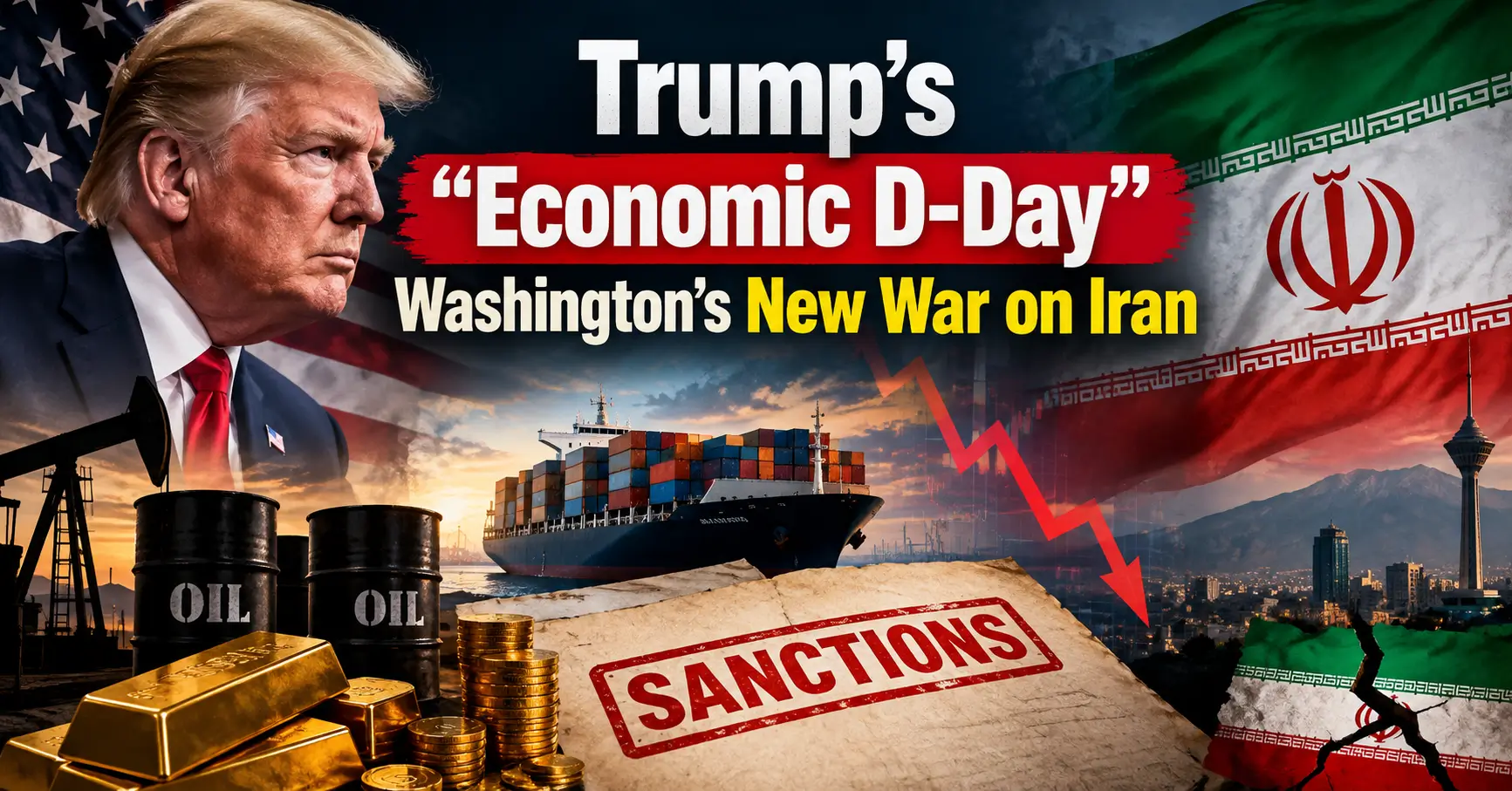
Trump’s “Economic D-Day”: The Trump administration has launched a major sanctions campaign against Iran, describing the initiative as an “economic D-Day.” The strategy marks a shift from military pressure toward financial and economic warfare. Washington appears to believe that military action has failed to produce the political changes it wants, so it now targets Iran’s financial networks, international trade, and economic resources.
From Military Pressure to Economic Leverage
The United States possesses overwhelming military power, but Iran has developed effective asymmetric tactics. Tehran relies on relatively inexpensive drones, missiles, and boats to challenge expensive American military systems. Iran also disperses its military facilities, which makes a decisive military campaign difficult. Airstrikes can destroy individual targets, but they cannot easily remove Iran’s regional alliances, proxies, or broader political objectives.
Washington has therefore turned toward economic pressure as another tool to influence Tehran.
Expanding the Sanctions Campaign
The latest sanctions approach goes beyond American companies and individuals. Washington also targets foreign states, businesses, banks, and international financial networks that continue economic relations with Iran.
The strategy reportedly focuses on:
- Digital assets and financial transactions
- Gold and international trade
- Shipping and aviation
- Technology sharing
- Foreign banks and companies
- Iran’s import and export networks
These measures could reduce Iran’s access to international finance and technology while increasing economic isolation. They could also raise inflation, reduce employment, weaken wages, and discourage investment.
Iran’s Experience With Sanctions
Iran has faced international sanctions for decades and has developed several methods to reduce their impact. China remains an important buyer of Iranian crude oil, while neighboring countries provide alternative trade routes. Iran also uses barter arrangements, local currencies, brokers, and complex shipping networks to maintain commerce.
The Political Risk
Economic hardship does not automatically produce political concessions. Tehran can portray Western sanctions as evidence of foreign hostility and use them to strengthen nationalism and domestic support. Economic pressure could therefore empower hardliners rather than weaken the government.
Wider Strategic Risks for Washington
Washington wants sanctions to bring Tehran back to negotiations, limit Iran’s ability to finance regional allies, and restrict its military recovery. However, prolonged sanctions could push Iran closer to China and Russia. Such cooperation could create stronger economic and strategic networks outside the Western system.
Conclusion
Trump’s “economic D-Day” could seriously damage Iran’s economy, but sanctions alone may not deliver rapid political change. Iran has already demonstrated its ability to develop alternative trade and financial channels. Washington may therefore need to combine economic pressure with credible diplomacy. The central question remains whether sanctions can produce meaningful concessions before prolonged confrontation creates greater costs for both sides.
Topic starter
Posted : September 8, 2026 11:57 am